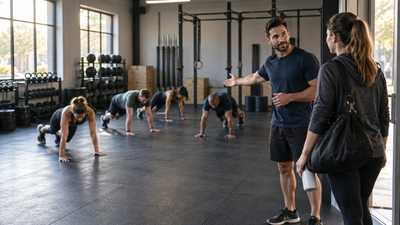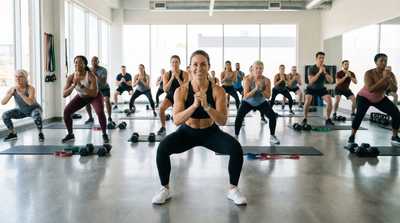
The instructor teaches a morning cycling class, covers a lunchtime strength session and returns for an evening class. Each group hears only its own workout. The instructor may be exposed to the music in all three, as well as other noise during the working day.
Gym class music volume is therefore an exposure question, not just a question of whether members like the playlist. An owner needs to know how loud the room gets, how long employees spend in it and what happens when several classes fall on the same shift. One number on the sound system does not answer those questions.
Start with the whole working day
The US National Institute for Occupational Safety and Health (NIOSH) recommends an occupational noise exposure limit of 85 A-weighted decibels (dBA) averaged over an eight-hour shift. This is a recommended worker-exposure limit, not a class volume target or a guarantee that any shorter class is safe. Exposure depends on both sound level and time. Other noise on the shift counts too.
NIOSH uses a 3 dB exchange rate: as noise increases, the allowable exposure time falls. Do not average a few phone readings by eye and call the result a daily dose. A qualified occupational noise professional can assess a representative shift, explain the measurement settings and help interpret the results against the rules that apply locally.
A class that sounds clear is not necessarily quiet enough for hearing protection. Equally, a lower sound reading does not establish that everyone understood the coach. Treat noise exposure and speech intelligibility as separate checks.
Measure group fitness class noise in real conditions
Choose typical classes rather than an empty room with the system set low. Include the formats, positions and times that could make a difference: a full cycling class, for example, or a strength session with weights, fans and music running. Ask instructors which classes and parts of the room they find loud.
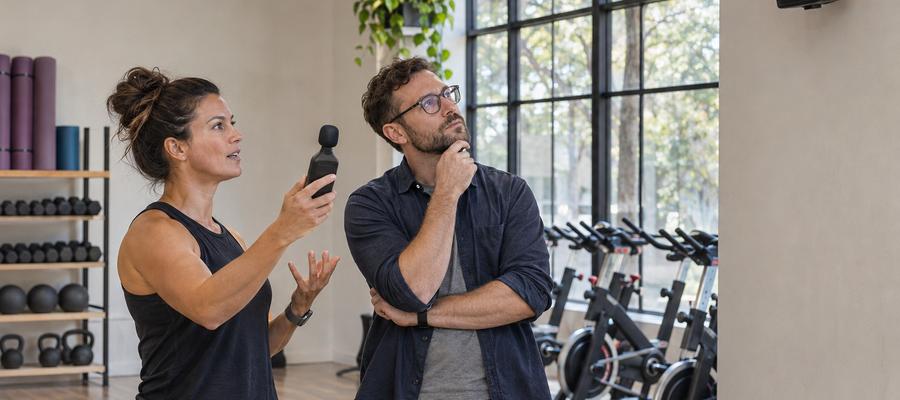
NIOSH distinguishes an area sound level meter from a personal dosimeter. The meter helps map levels at different positions; the dosimeter measures an individual’s exposure over time. For a coach who moves around or teaches multiple classes, a personal assessment is more useful than a single reading beside the sound desk. Record the date, class, equipment, locations, music setting and who was working. Repeat measurements after a meaningful change to the sound system, layout or schedule.
A sound measurement app can be a screening aid, but NIOSH cautions that app readings may not meet regulatory requirements. Use appropriate, calibrated equipment and professional help when assessing compliance. Do not ask staff to remain in a noisy area without protection just to collect a reading.
Reduce the source before relying on earplugs
Start by lowering music, then check whether members can still follow the session and whether the class feels workable. Review the speaker positions and system controls with a suitable audio professional; avoid having the loudest point where an instructor must spend the entire class. Equipment changes may need further measurements rather than an assumption that the room is now safe.
Set a documented operating setting for each room and system, identify who may change it, and recheck it during a normal class. A dial position is not a decibel measurement: a new playlist, device, amplifier or speaker arrangement can change the sound without changing the dial. Leave a way for instructors to request an immediate reduction and report a problem without having to argue about the music mid-class.
Schedule matters too. Review consecutive classes and other noisy duties when building a coach’s shift, and arrange quieter work or breaks where practical. Rotation can redistribute exposure, but it does not eliminate the need to assess everyone affected. Our class schedule audit is a useful place to review what the timetable asks of the team.
Plan fitness instructor hearing protection
Hearing protectors can be part of a broader prevention plan, but they are not a substitute for reducing the sound at its source. If protection is needed, get professional advice on suitable devices, fit, training and communication in the room. Instructors still need to hear relevant instructions and respond to members; do not assume a particular plug or claimed rating will work for every person or class.
Encourage staff to report ringing, muffled hearing or other concerns promptly and seek qualified hearing care. Do not use the absence of symptoms as evidence that exposure is harmless. Discuss hearing monitoring with an occupational health professional where appropriate and follow the requirements for your jurisdiction.
In the United States, the OSHA occupational noise standard sets out workplace requirements under its own criteria. NIOSH recommendations and OSHA legal requirements are not interchangeable; applicability and duties depend on the workplace and jurisdiction.
Make the policy usable on a busy day
Put the measurement findings and agreed controls somewhere the people opening the room can find them. Name an owner for the sound settings, a contact for faults and a date to reassess. Include the setting and escalation route in the pre-class equipment check and the handover to a cover coach.
After a change, ask instructors and members for feedback on the class, then measure again when appropriate. Feedback can tell you whether the experience works; it cannot certify a noise dose. If the room cannot be operated within the applicable requirements, reduce exposure and seek professional help before continuing as usual.